A technician should not need English to fix a turbine
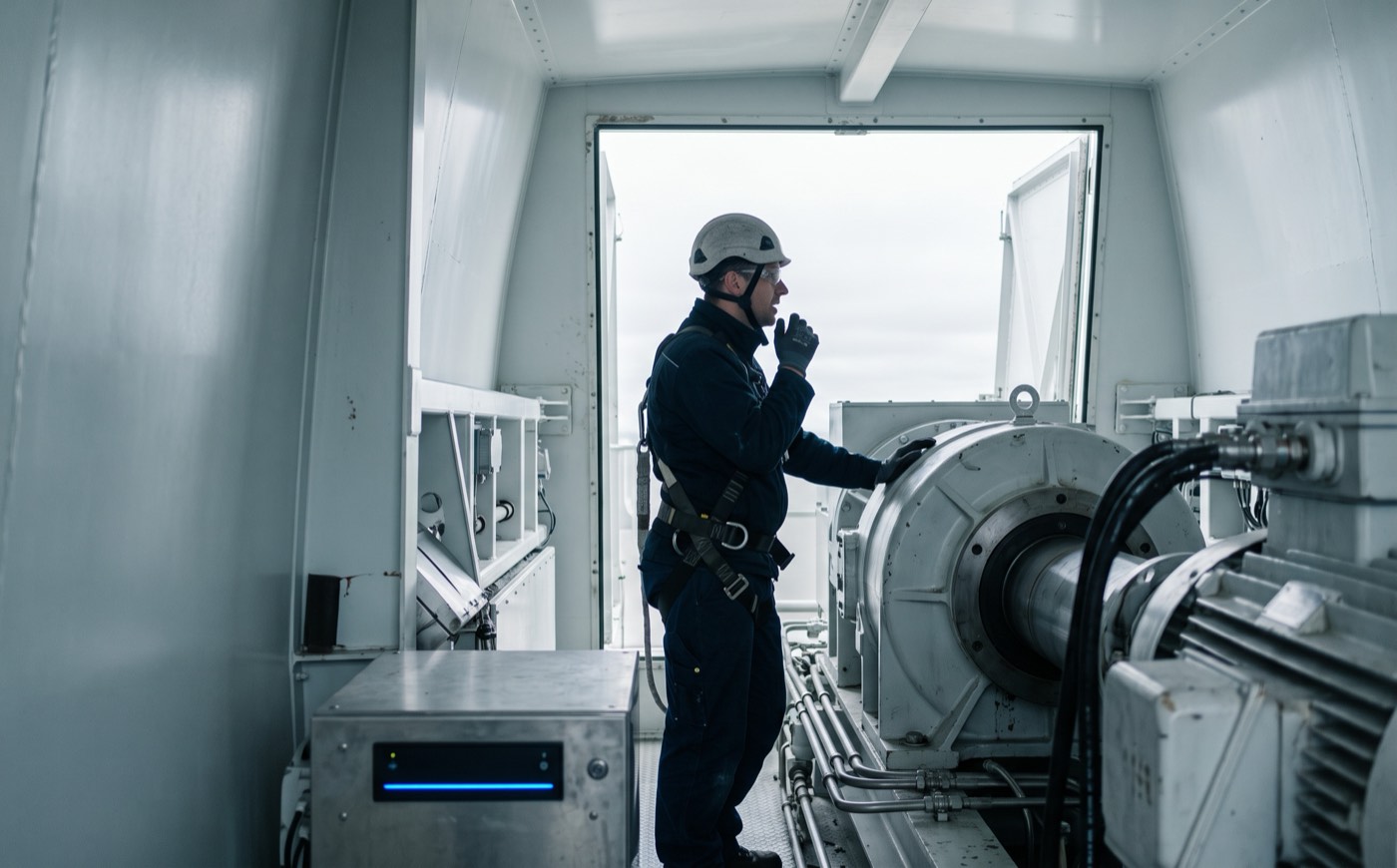
Field teams in renewables are multilingual, often transient, and frequently working a long way from anyone who can help. The software has not caught up.
To complete one job, a technician logs out of the work order app, opens a separate PDF manual that exists only in English, scrolls for the torque figure, then goes back to log what they did. Every one of those steps is a place the job slows down, and the language barrier makes each of them slower still.
The cost lands on fleet-wide uptime and on contractual SLAs, which is exactly what the field service director is measured on.
What Tandm replaces
Legacy field service and maintenance systems that were never built for a multilingual field workforce, and that have no connection to the technical documentation for the asset in front of the technician.
It also replaces the workaround those systems create: a phone call to someone at head office who can read the manual.
One spoken interface, three jobs
A bridge, not another tool on the belt
The reason field software fails in the field is that each tool solves one part of the job and hands the technician the joins. Tandm removes the joins. Inspection, documentation and work order creation happen inside one conversation, driven by speech, in the technician's native language.
Dispatch, scheduling and asset records stay in the systems that own them.
Built for field service leadership
Field service directors and VPs of field operations are judged on fleet-wide asset uptime, SLA compliance and technician utilisation. Those three move when a technician stops shuttling between applications and stops waiting for someone who can read the manual.
The strongest fit is a utility, wind or solar operator, or an energy infrastructure OEM, running distributed assets with a multilingual field workforce.
Common questions
- Which languages does Tandm support?
- Tandm works in the technician's spoken language, including Spanish, and returns answers from English-language manuals in that same language. The manual does not have to be translated first.
- Does it replace our field service management system?
- No. It sits in front of the FSM or CMMS your dispatchers already use, including Maximo. Work orders and scheduling stay where they are.
- Can it answer questions from our equipment manuals?
- Yes. Tandm retrieves from the approved technical documentation for that asset and returns the relevant step, with the source, rather than a summary of the whole document.
- What about sites with no signal?
- Field work is planned around patchy coverage. Capture is designed so a technician is never blocked at the asset, and records reconcile when the device reconnects.
- How does this affect SLA reporting?
- Faster first-time fixes and complete inspection records feed the same reporting you already run. The record is more complete because it was captured while the technician was still standing at the asset.