

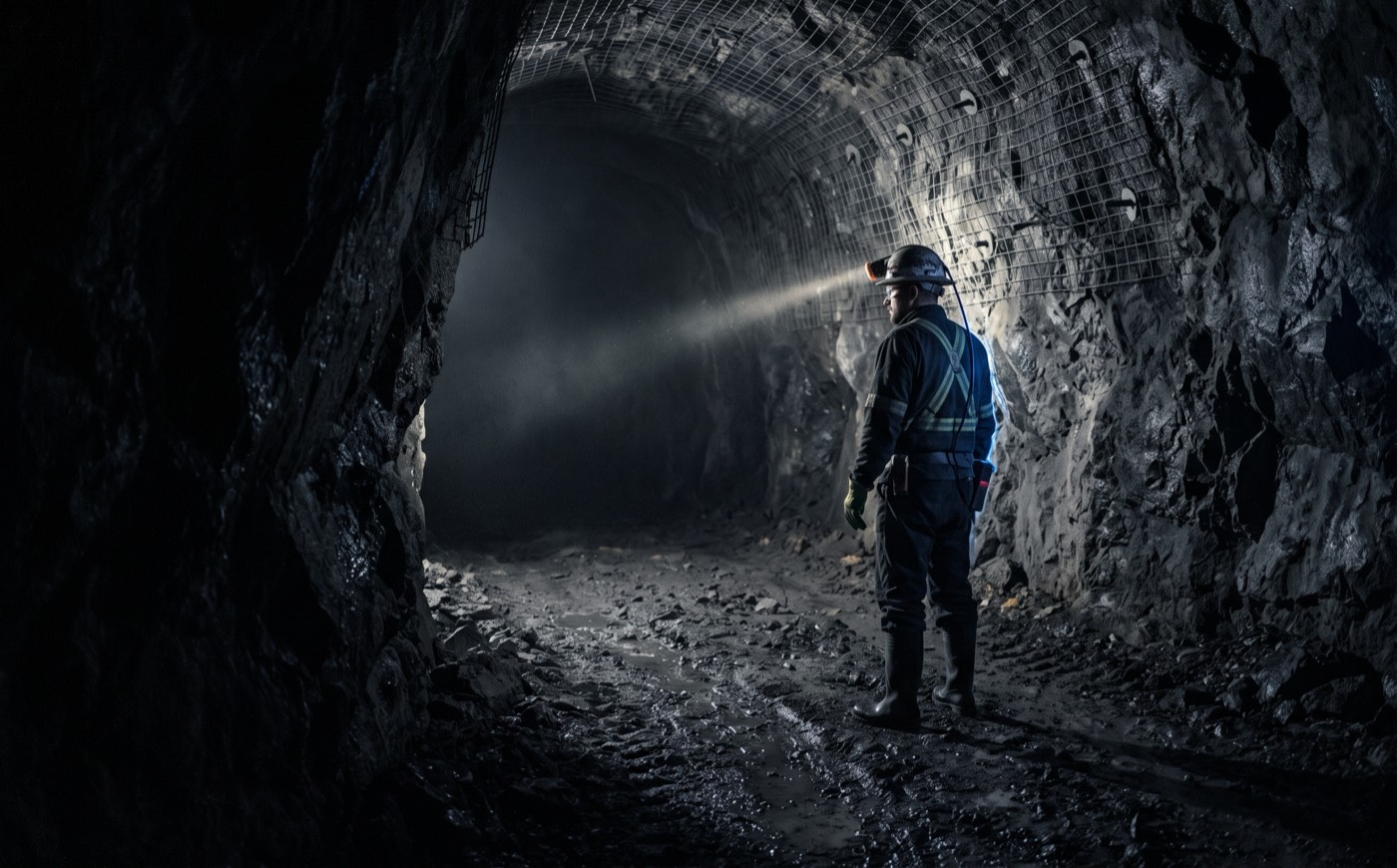
The reports that never get made
A near miss at the face at 2am is reported if reporting takes thirty seconds and a conversation. It is not reported if it takes a form, a laptop at the end of shift, and a second language.
So the record thins out in exactly the conditions that matter. Night shift, contractor crews, the last hour before change-over. What reaches the safety system is the incidents serious enough that nobody had a choice, which is the part of the curve you most wanted early warning of.
The same gap runs through maintenance. Fleet and fixed plant faults get closed without the diagnosis, so the next crew relearns it.
What Tandm replaces
The paper hazard card that gets found in a pocket after the wash. The end-of-shift form that asks a tired operator to reconstruct something from six hours earlier. The supervisor acting as a translator so a report can be typed in a language the operator does not write.
None of the systems change. What changes is whether the report exists.
How it works underground and on surface
Safety and maintenance are one conversation
On a mine site the same person finds the hazard and the failing bearing, often in the same walk. Splitting that across two systems and two forms is a software decision, not an operational one.
Tandm takes the whole exchange and sends each part where it belongs. The operator does not have to know which system owns what.
Built for mining operations
Health and safety leadership carries reporting rates, regulator exposure and the credibility of the safety record. Maintenance and engineering carry availability on fleet and fixed plant. Both are affected by whether the frontline account of an event survives the shift.
The strongest fit is an operation running mixed-language and contractor crews across shifts, with a safety management system and a CMMS already in place.
Common questions
- Does Tandm replace our safety management system?
- No. Hazard reports, incidents and corrective actions stay in the system you already run. Tandm is how the report gets made in the first place, from the face, in the operator's own words.
- Can a report be made underground or with no signal?
- Capture is designed so an operator is never blocked at the point of work. The record is made when the observation is fresh and reconciles when the device reconnects.
- How does this help with an MSHA or regulator inspection?
- Because the report was made at the time rather than reconstructed at the end of shift, the record carries what was actually seen, when, and by whom, with the operator's confirmation before it was committed.
- Do operators need to read or type?
- No. They speak, in their own language. That matters on a mixed-language site where a written form in one language quietly filters who bothers to report.
- Does it cover maintenance as well as safety?
- Yes. The same conversation captures a near miss at the face and a repair on the fleet, and routes each to the system that owns it.