
The repair knowledge is walking out of the door
Your senior technicians know which bearing runs hot in July, which pump needs the seal seated twice, and which fault code lies. That knowledge took decades to build and none of it is written down.
The CMMS captures that a work order was closed, which parts were issued and how many labour hours went against it. It does not capture the diagnosis, the workaround or the reason the obvious fix did not hold. That part lives on radios, in Slack threads and in the heads of four people, two of whom retire this year.
When unplanned downtime costs between $5,000 and $100,000 an hour, the expensive part is rarely the repair. It is the forty minutes spent finding the person who saw it last time.
What Tandm replaces
Two things, both of which your technicians already resent.
The first is the CMMS data-entry screen. It was designed for planners and it asks a technician standing at a conveyor to type structured fields into a phone. So it gets the minimum: closed, complete, three words in the notes box.
The second is tribal knowledge. Not the people, the fragility. A fix that exists only in one person's memory is one resignation away from being relearned at full cost.
How it works
Tandm does not compete with your CMMS
The category is a repair-knowledge layer, and the word layer is doing real work in that sentence. Maximo remains the system of record. Tandm captures the part the record was never going to hold, structures it, and gives it back the next time the same asset misbehaves.
Nothing migrates. No one logs into a second system to find history. The people who own the CMMS keep owning it.
Built for the people who own uptime
Reliability engineers, maintenance managers and MRO directors carry asset uptime on their objectives, and often on their bonus. Tandm is aimed at that scorecard: fewer repeat failures, shorter mean time to repair, and a record of what worked that survives a retirement.
Typical fit is a single site or a small group of sites running 200 to 2,000 workers, with a legacy CMMS already in place and no appetite to replace it.
Common questions
- Does Tandm replace Maximo or SAP PM?
- No. Your CMMS stays the system of record. Tandm sits on top of it and writes into it, so work orders, assets and history stay where your planners and auditors already look.
- What does the technician actually do?
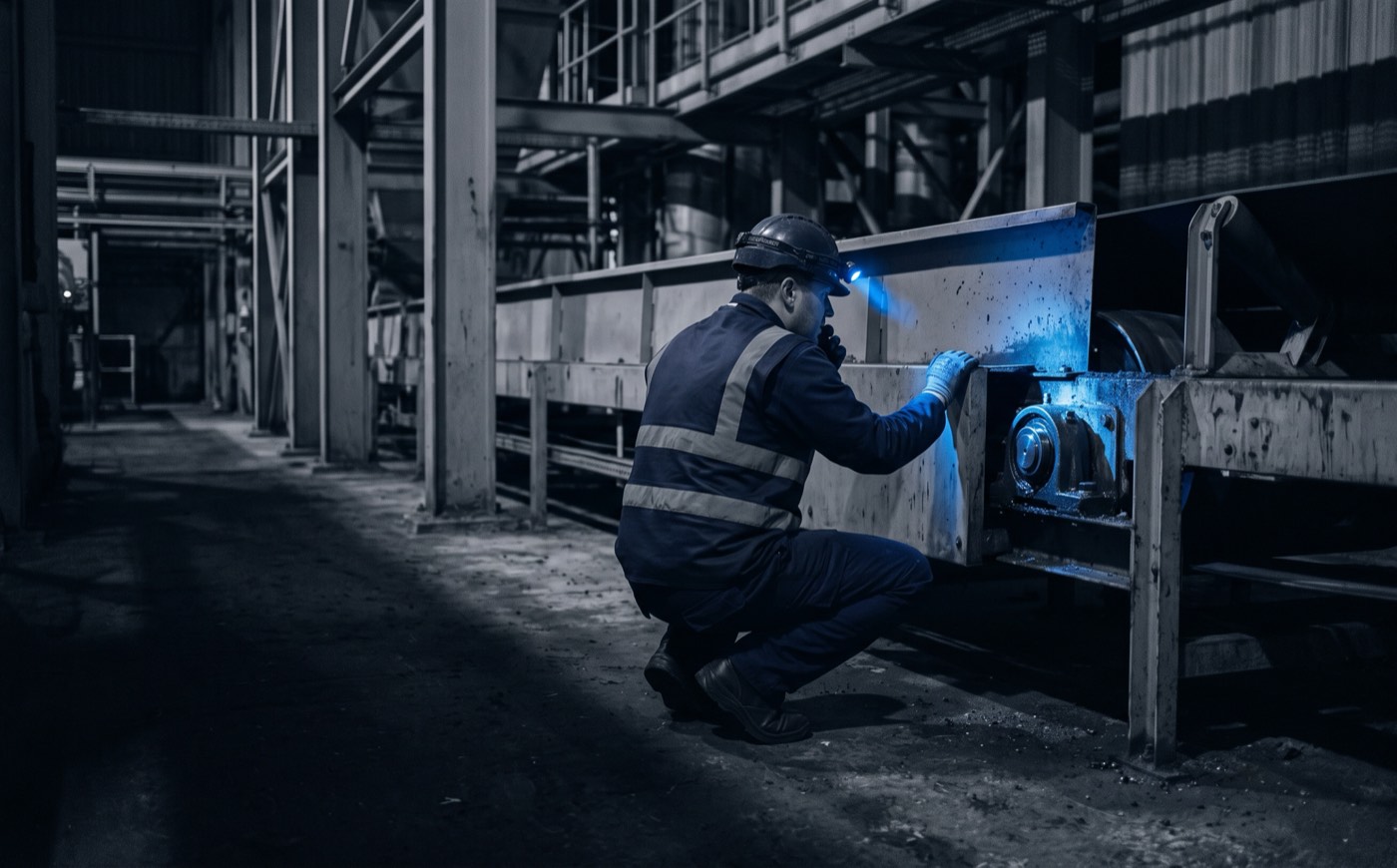
- They talk. At the asset, on a phone or a radio-style handset, they describe what they found and what they did. Tandm asks for anything missing and shows the finished record back before it commits.
- Will it work in a noisy plant?
- Yes. Capture is built for plant floors, and the technician confirms the written record before anything is saved, so a misheard word is caught by the person who said it.
- What happens to the knowledge when a technician retires?
- It is already in the asset history, in their words, attached to the equipment they fixed. The next person searches the asset and finds the diagnosis, not only the closure code.
- How long before it is useful?
- It becomes useful on the second repair of the same fault. Value compounds with every repair captured, and it starts from the first shift it runs.